In 2023, Major League Hacking named me one of its Top 50 Hackers. I was 18. The announcement looked like one milestone, but the story behind it was made of many small beginnings.
I had been a hackathon participant, winner, mentor, judge, organizer, sponsor, community builder, and MLH Fellow. None of those roles appeared at once.
They grew from repeatedly entering rooms where I did not feel fully ready.
My first computer
I got my first computer in 2017, and honestly, I was not even sure how to open it properly. I started learning C# because my friends and I were working on a game and I wanted to make a few changes.
Those small edits introduced me to programming. I loved that a problem could look confusing, then become understandable one line and one experiment at a time.
Later, while studying at university, I felt a gap between learning theory and building real things. So I started looking outside the classroom for workshops, technical communities, and any opportunity that would let me practice.
The first hackathon
In 2020, a friend and I registered for Hack This Fall. We built DigiManager, our first hackathon application. It placed in the top 15 among more than 200 projects and won Best Use of GitHub.
I was hooked.
The result was exciting, but the community changed me more. I met people who learned by building, shared resources freely, and were willing to stay awake solving one ridiculous bug together.
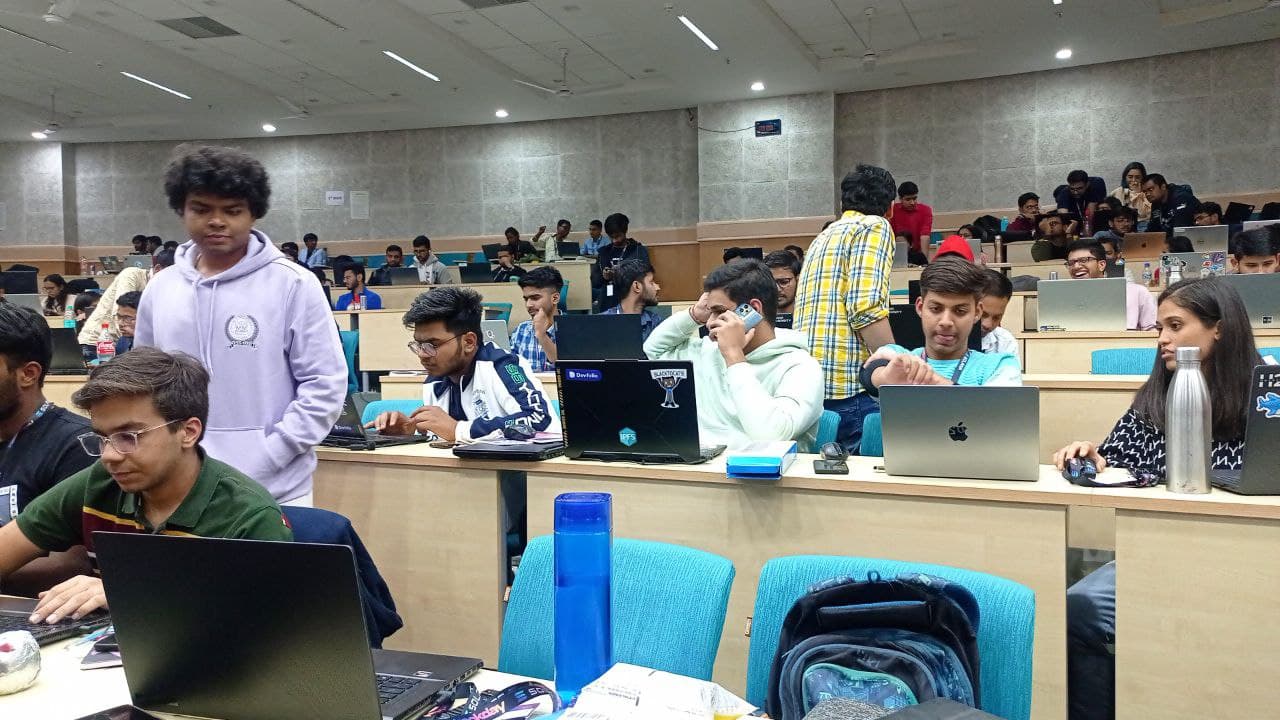
I kept returning through events such as HackHarvard, Hack The League, and hackCBS. Every event gave me a new project, a new technology, or a new person to learn from.
Finding MLH
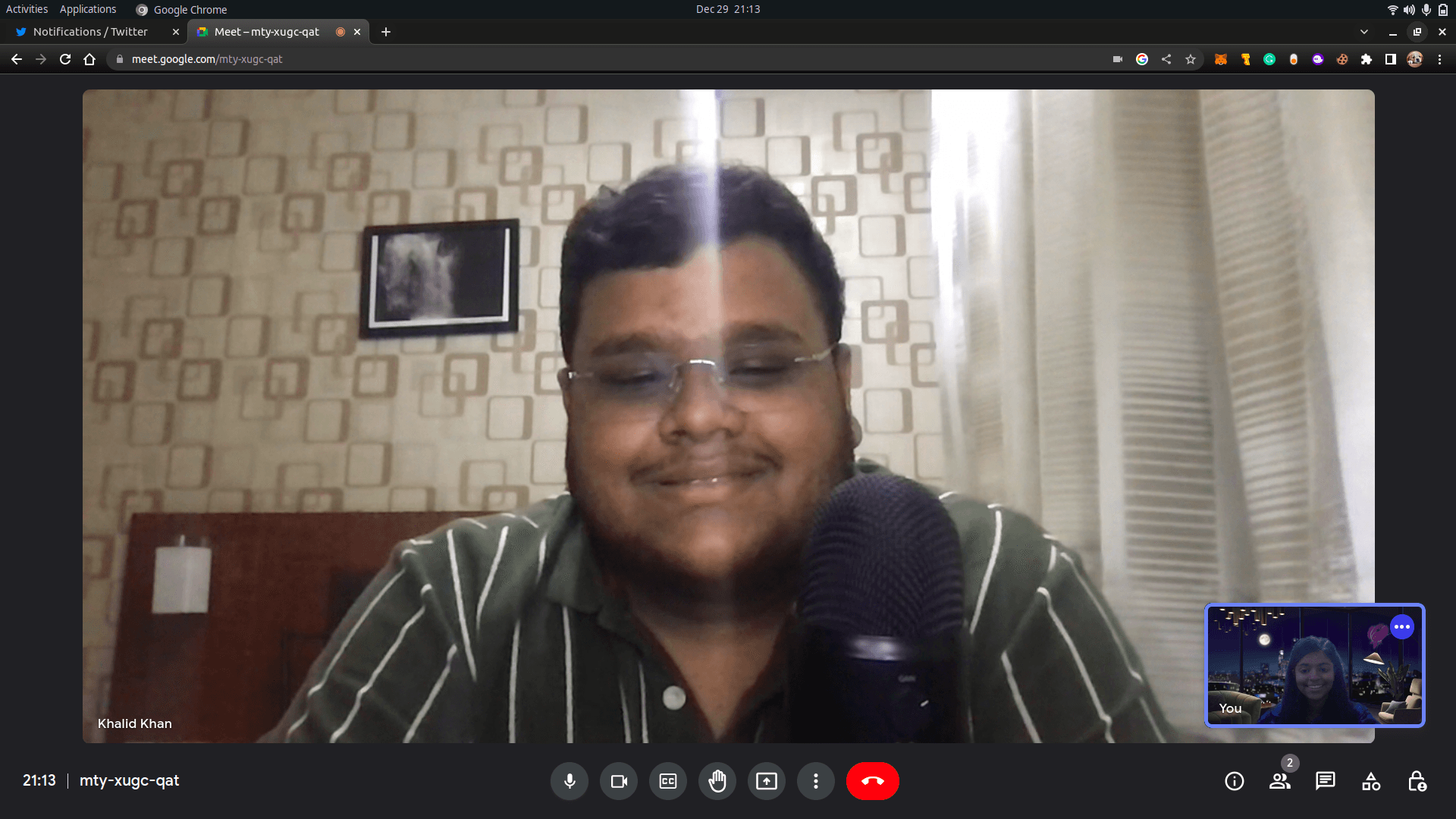
I first discovered the MLH Fellowship through someone's post on Twitter. I joined the community even though Discord itself was new to me. A mentor helped me understand how things worked and where I could contribute.
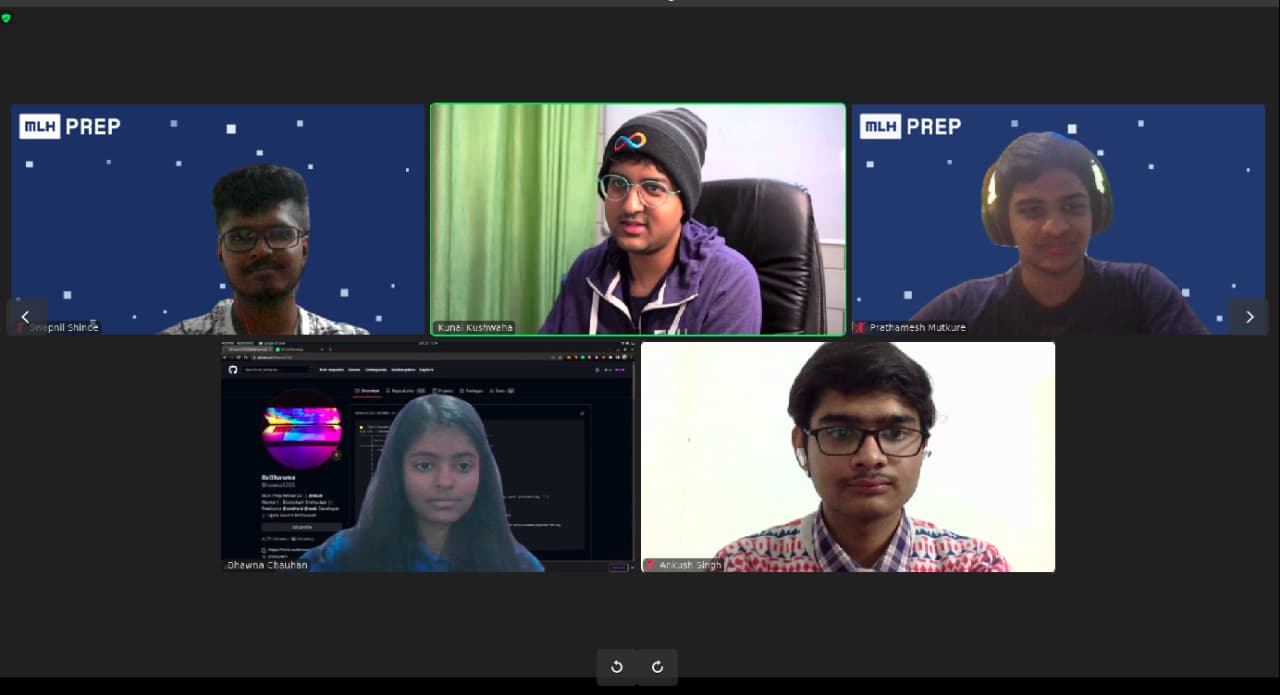
Eventually, I joined MLH Prep and then became an MLH Fellow. The experience improved my technical skills, but it also gave me a global community of builders.
As a student in a three-year degree program, I sometimes worried that I was behind people from traditional four-year technical programs. Hackathons and open source gave me another way to build proof: through projects, collaboration, and consistent participation.
From participant to community builder
After receiving so much from communities, I wanted to build the kind of space I had needed when I started.
I founded SheBuilds to create more opportunities for women in technology. Our first major hackathon in January 2023 brought together more than 2,500 women and received over 200 project submissions.
The most meaningful messages were not about prizes. They came from participants who said the experience gave them confidence to continue in computer science.
By then, I had also started moving between roles: mentoring at events, organizing programs, speaking to communities, and helping new hackers understand the path that had once confused me.
What Top 50 meant to me
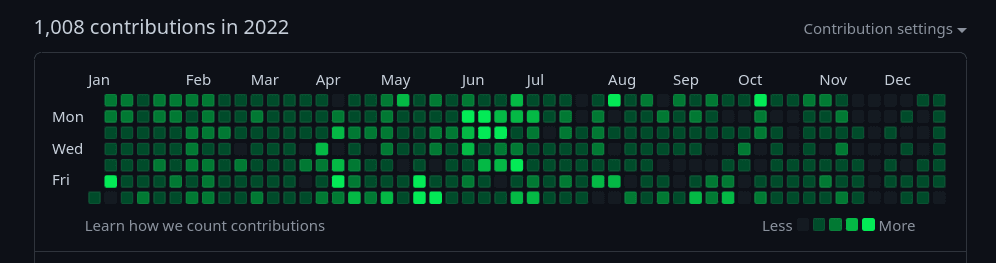
By 2023, I had participated in dozens of hackathons and built winning projects at more than 20 of them. MLH's recognition brought those pieces together, but I do not see it as a finish line.
The title recognized the work, but the community created the person capable of doing it.
It reminded me of the girl who barely knew how to use her first computer, the first application built with a friend, the first Discord server that felt confusing, and every person who answered a question along the way.
If you are at the beginning, do not measure yourself only against someone else's announcement. Start with one event. Build one imperfect project. Ask one person for help. Then return and do it again.
A journey can look impressive in one paragraph after it happens. Living it is mostly a collection of small decisions to keep showing up.