I attended my first hackathon in 2020. Since then, I have participated in more than 40 events and built winning projects at more than 20 of them.
When people hear that number, they usually ask two questions: How did you win so many? and How much money did you make?
The first answer is a system I learned through many failures. The second answer is more complicated than adding the prize pools printed on event pages.
I did not start by winning everything
My first hackathon was Hack This Fall. A friend and I built DigiManager, which placed in the top 15 among more than 200 projects and won Best Use of GitHub.
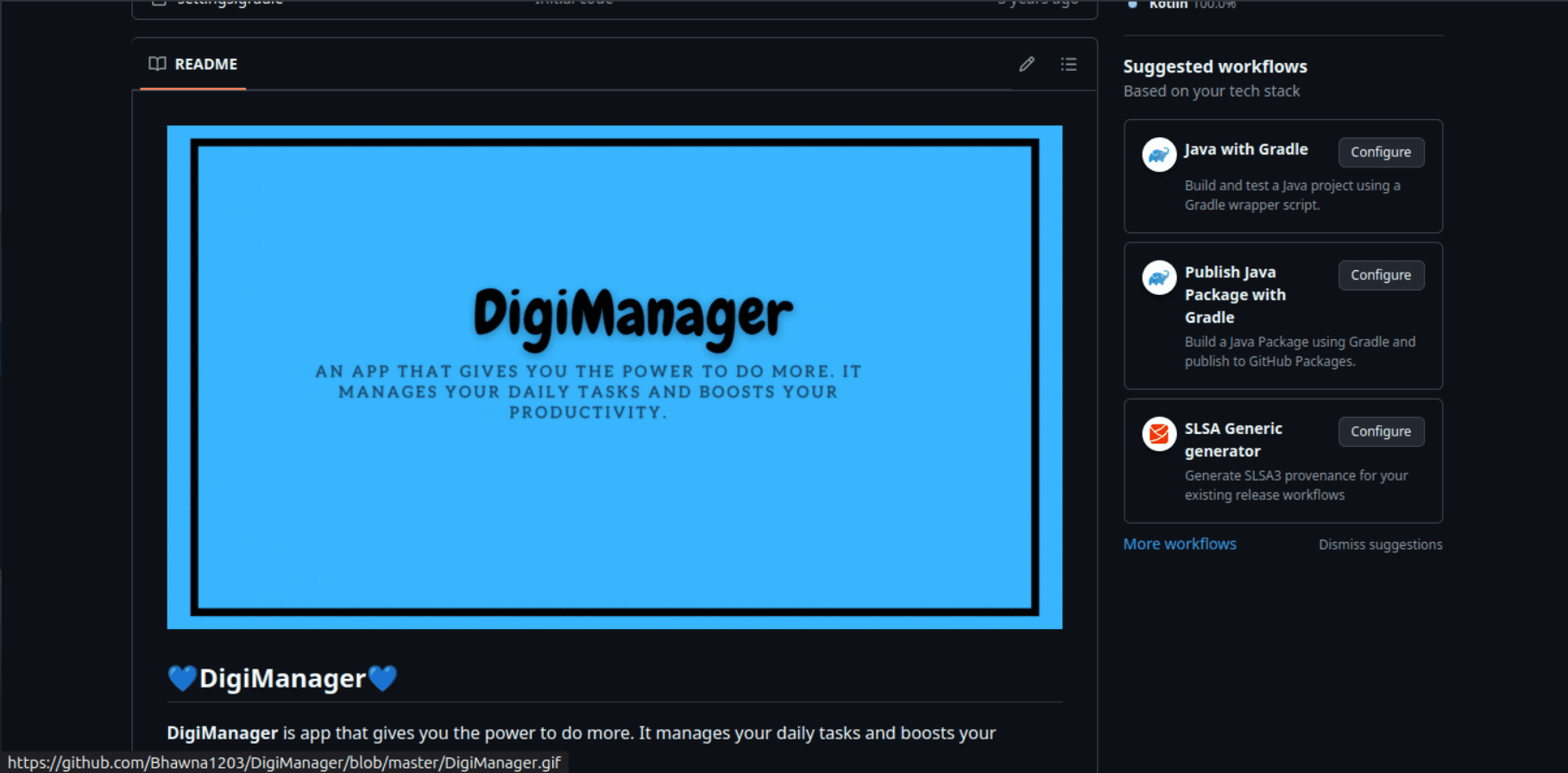
That early result gave me confidence, but every event after it did not go the same way. I built projects that broke during demos. I chose ideas that were too large. I spent too much time polishing features judges never saw. I joined teams where we started coding before agreeing on the problem.
Losing taught me faster than winning because it forced me to review the process instead of celebrating the result.
The system that improved my odds
1. Choose the problem before the technology
A sponsor API is not an idea. I start by asking who has the problem, why the current solution is painful, and what we can prove within the event.
2. Reduce the scope until the core works
A smaller product that works is stronger than a large product described in future tense. We decide what the demo must show and treat everything else as optional.
3. Give every teammate visible ownership
We split work around clear outcomes, not vague roles. Everyone knows what they are shipping, what they depend on, and when the team will integrate.
4. Integrate before the final hour
The last hour is for recovery, not discovery. We connect the pieces early enough to find the broken assumptions while there is still time to fix them.
5. Make the story easy to repeat
Judges see many projects. Our pitch needs one clear problem, one memorable solution, a working demo, and a believable next step. If they cannot explain the project after we leave, the story was too complicated.
The demo is part of the product
Good code does not automatically create a good judging experience. We prepare the demo path, realistic sample data, a backup recording, and the exact order in which features appear.
I try to show the value before explaining the architecture. Once the judge understands why the product matters, the technical decisions have context.
Do not make the judge search for the impressive part. Put it in front of them.
So, how much did I actually earn?
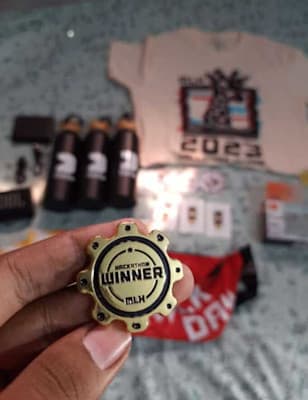
Hackathon prizes were not one clean salary. They came in different forms: cash shared across a team, hardware, cloud credits, software subscriptions, swag, travel support, mentorship, and opportunities that appeared months later.
My public Devpost history records projects and event results, but it does not reliably show the amount each teammate finally received. Some prize pools were split, some awards were non-cash, and some benefits had a listed value that was not money in my bank account.
Because I did not maintain a complete prize ledger from my first event, I would rather leave the final dollar total open than publish a confident but invented number.
What I can say honestly is that the returns were much larger than the cash. Hackathons helped me enter fellowships, find mentors, build a global network, improve my public speaking, start SheBuilds, and gain the experience that later made remote startup and open-source work possible.
Would I recommend attending 40 hackathons?
Not automatically.
Attend when the event gives you a reason to learn, build with people, test an idea, or enter a community. Do not chase the number until every weekend feels identical.
After each event, ask what changed. Did you learn a technology? Did you understand users better? Did you improve your pitch? Did you meet someone you want to build with again?
Twenty wins sound like the story. For me, the real story is that I became someone who could walk into a new problem, find a team, build under pressure, and explain why the result mattered.