In this blog, I want to share my personal experience with Vipassana meditation. I'll cover everything from how I first came across it to what I experienced during the ten-day course.
Around the end of May, I started reading the book Secrets of the Millionaire Mind: Mastering the Inner Game of Wealth by T. Harv Eker.
You might be wondering, what does that book have to do with Vipassana? They seem like completely different subjects. Stay with me, though, because that unlikely connection is where this story began.
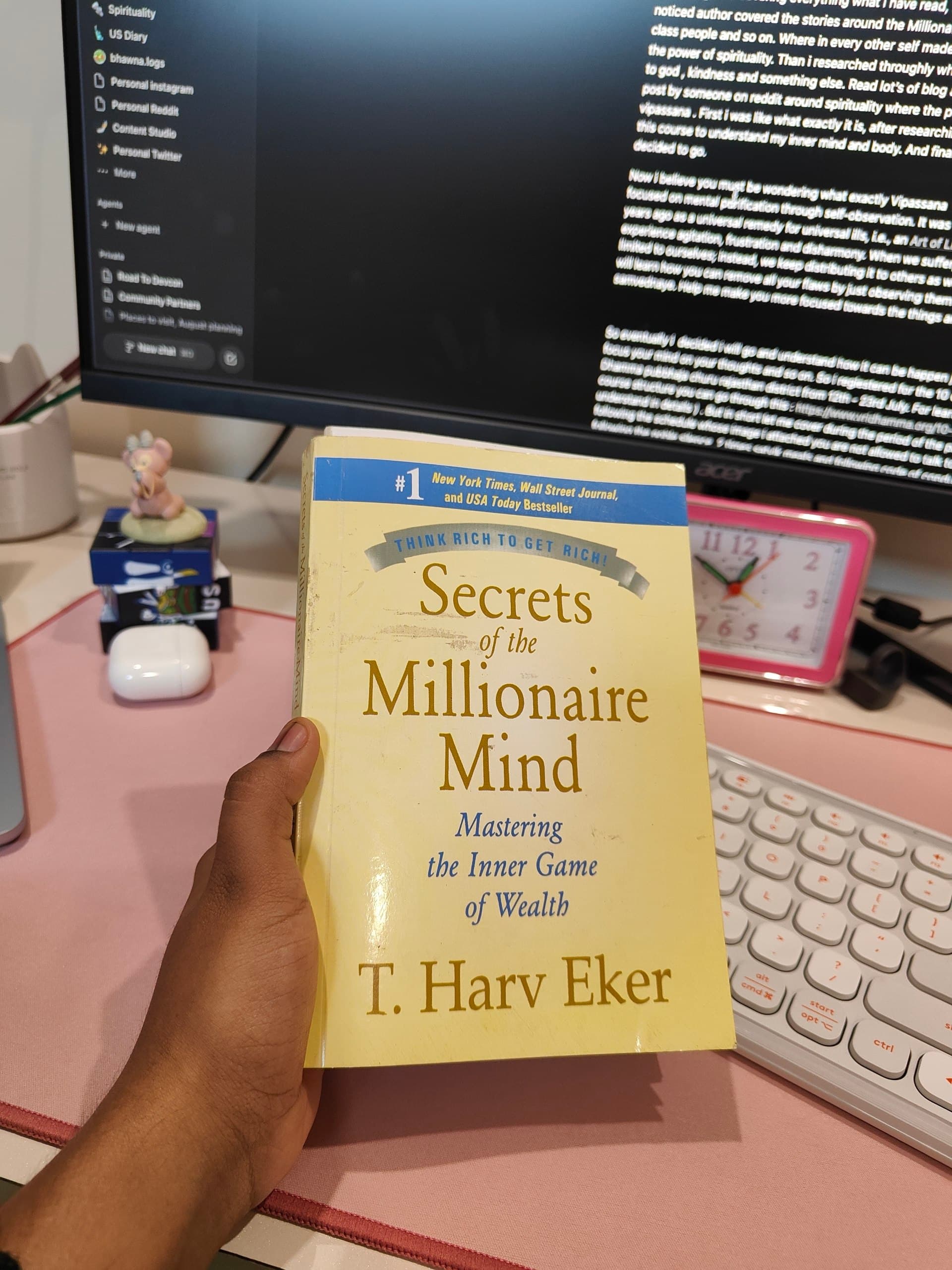
I am not going to summarize the whole book here. But while reading it, I noticed something interesting: the author repeatedly discussed the mindset of self-made millionaires, and spirituality appeared in many of their stories.
That made me curious.
I started researching what spirituality actually means. Is it connected to God, kindness, meditation or something else entirely? I spent hours reading blogs, watching videos and going through Reddit discussions. Eventually, I found a post from someone who had attended a Vipassana course.
At first, I had no idea what Vipassana was. The more I researched, the more curious I became. Instead of continuing to read about it from a distance, I decided to experience it myself. I applied for a course, took leave from work, and went.
What is Vipassana?
Vipassana is one of India's oldest meditation techniques. It focuses on understanding yourself through self-observation.
The idea sounds simple.
When we experience anger, frustration, fear, anxiety, or sadness, we often react immediately. Those reactions affect us and the people around us. Vipassana teaches you to observe what is happening inside your body without immediately responding to it. Over time, that observation can make you more aware of your mind and its habits.
I understood the theory, but one question stayed with me:
How can simply observing yourself change your mind?
That question led me to a ten-day Vipassana course at Dhamma Pubbhaja in Churu, Rajasthan, from July 12 to July 23.
You can read the official ten-day course overview. In short, the course asks you to:
- Follow a fixed daily schedule.
- Observe Noble Silence and avoid talking to other students.
- Eat simple satvik meals.
- Follow a strict code of conduct.
- Give up phones, books, music, laptops, and other distractions.
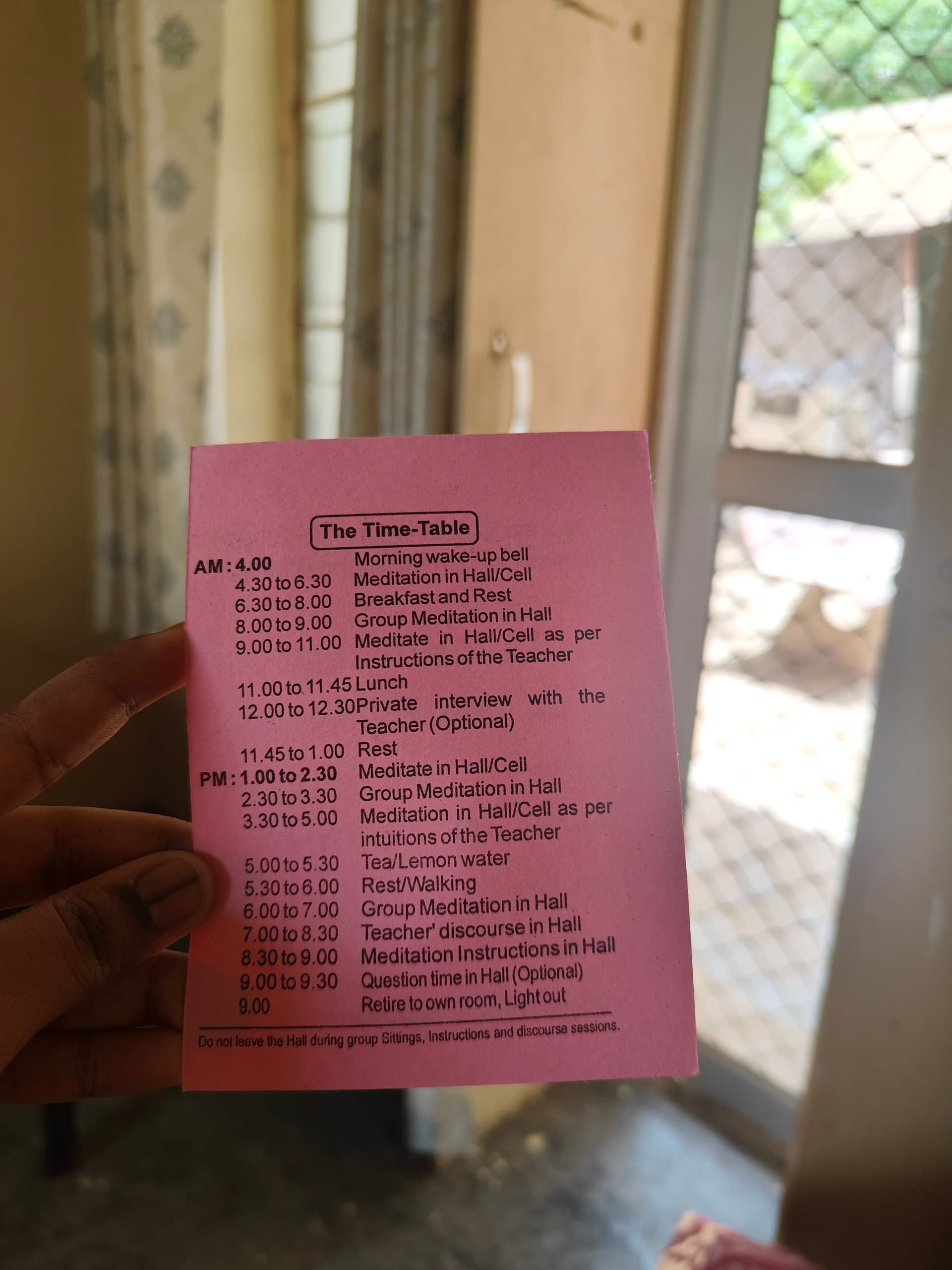
One thing I deeply appreciated was that the center provided accommodation, food, and facilities free of cost. The organization runs on donations from students who have already completed a course.
My ten-day experience
Day 1: Beginning the work
We were introduced to the practice through S. N. Goenka's recorded discourse. One example stayed with me: when water is poured onto burning coal, the fire crackles as impurities rise out of it.
He explained that meditation can feel uncomfortable because we are working with deeply rooted habits of the mind. It felt like the beginning of a long process of cleaning the subconscious.
Day 2: The law of nature
We learned about ideas such as Shuddh Dharma and Prakriti ka Niyam, the law of nature. One thought stood out: we should not harm others through our actions, words, or thoughts, because what we put into the world eventually returns to us.
Whether understood spiritually or psychologically, it made me pay closer attention to how I react to situations.
Day 3: The mind refuses to stay still
During the first three days, we practiced Anapana meditation: observing the natural breath as it enters and leaves the nostrils. The practice develops concentration by giving the restless mind one objective point of focus.
Honestly, it was much harder than I expected. Your only task is to notice the breath touching the small area below the nose and above the upper lip. That is all. But the mind refuses to stay there.
By the third day, I was questioning everything.
Why did I come here? I could meditate at home. I miss my family.
That evening, the discourse explored how attachment can become a source of suffering. I did not have to agree with every idea for it to give me a new perspective on relationships, expectations, and attachment.
Day 4: I wanted to leave
This was the biggest day: we were introduced to the Vipassana technique itself. By then, I had already spent many hours each day meditating.
My legs hurt. My back hurt. My shoulders hurt.
At one point, I genuinely wanted to pack my bags and go home. Somehow, after the evening discourse, I decided to stay. Looking back, I am very glad I did.
Day 5: Observe without reacting
The day was dedicated to practicing Vipassana. You observe sensations throughout the body without reacting to them. Whether a sensation feels pleasant or unpleasant, the practice is to meet it with equanimity.
Days 6, 7, and 8: Patience, then repeat
Meditation. Observation. Patience. Repeat.
Nothing dramatic happened externally. Internally, however, I slowly began noticing small changes in how my mind reacted.
Day 9: A quieter mind
We practiced Adhitthana, or sitting with strong determination. The aim is to sit for one full hour without moving your hands or legs, or opening your eyes. We had several sessions like this during the day.
This was when I noticed a real difference. My mind became much quieter. Instead of jumping endlessly from one thought to another, I could simply sit and observe.
Day 10: Speaking again
After ten days of silence, we could finally talk and received our phones back. Speaking to my family felt surprisingly emotional.
We also watched a documentary about Vipassana courses conducted inside Tihar Jail and learned Metta Bhavana, the practice of sharing goodwill, compassion, and kindness.
After that session, I felt an inner happiness that is difficult to explain. It was not excitement or entertainment. It was simply peace.
Day 11: Taking the practice home
The final morning focused on bringing what we had learned back into everyday life. Meditation was not meant to remain inside those ten days. The real practice would begin when we returned home.
Looking back, choosing to attend the course was one of the best decisions I have made.
The small things I remember
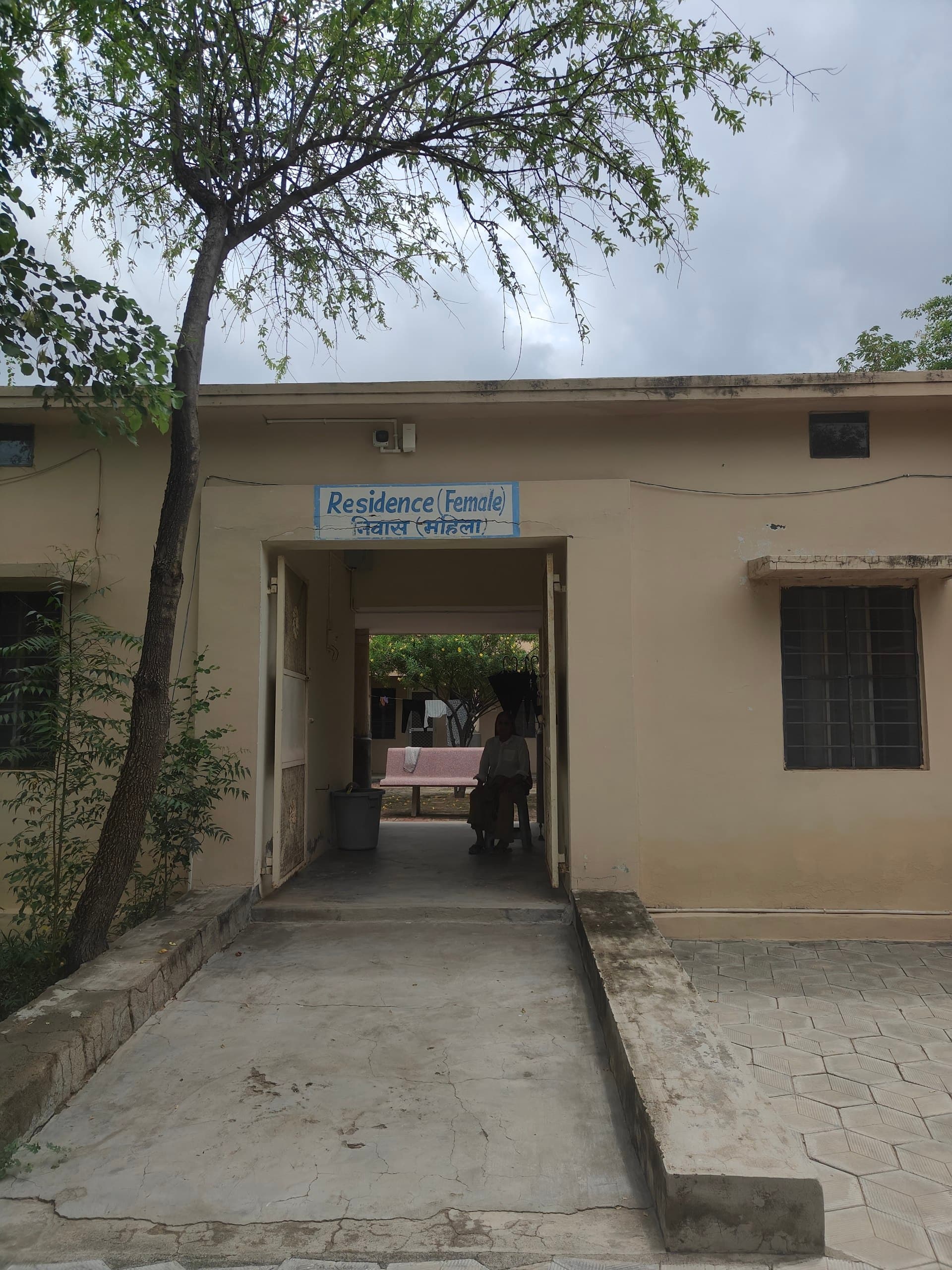
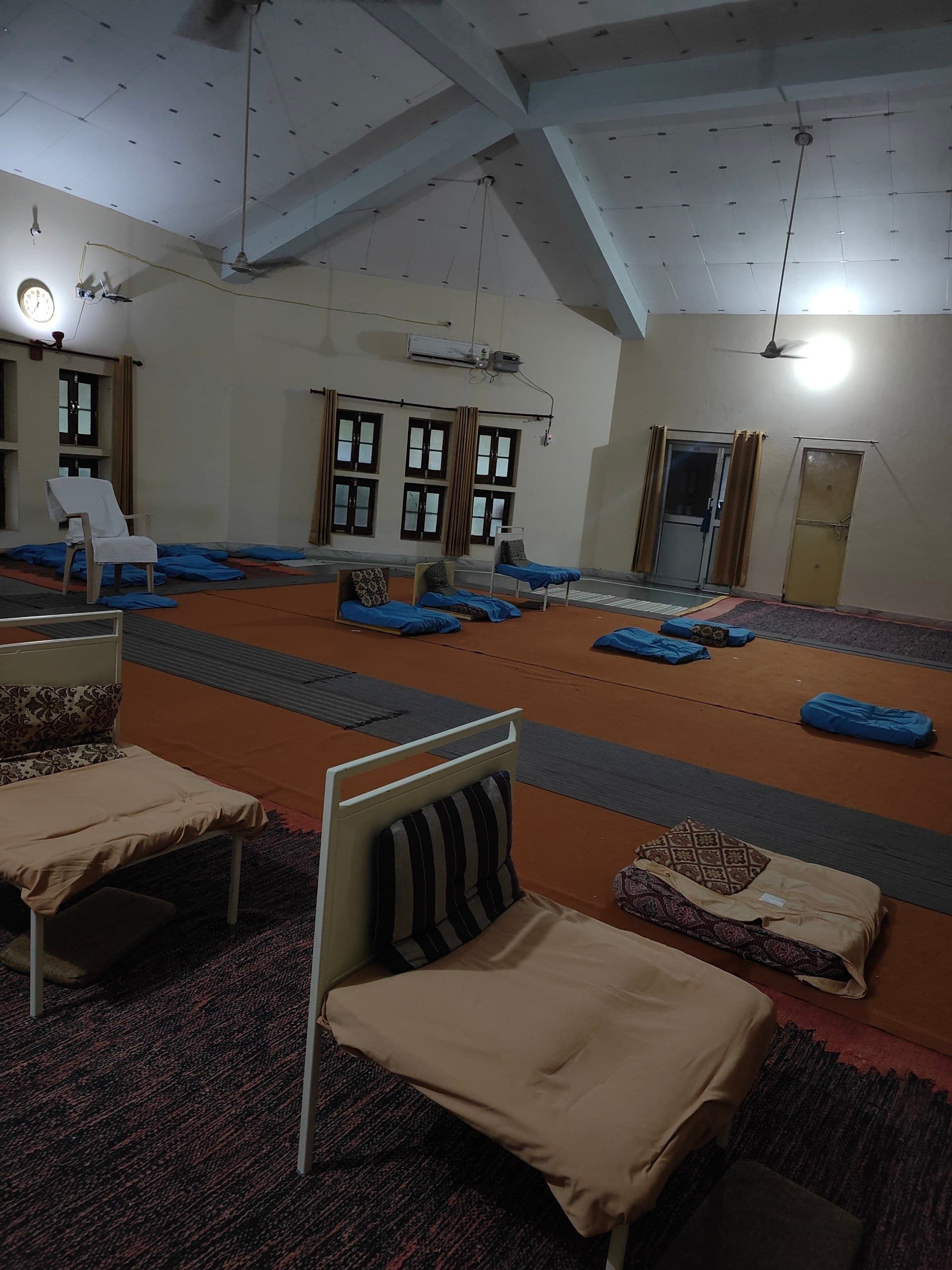
Our accommodation
The accommodation was simple, and male and female participants stayed in separate residential areas.
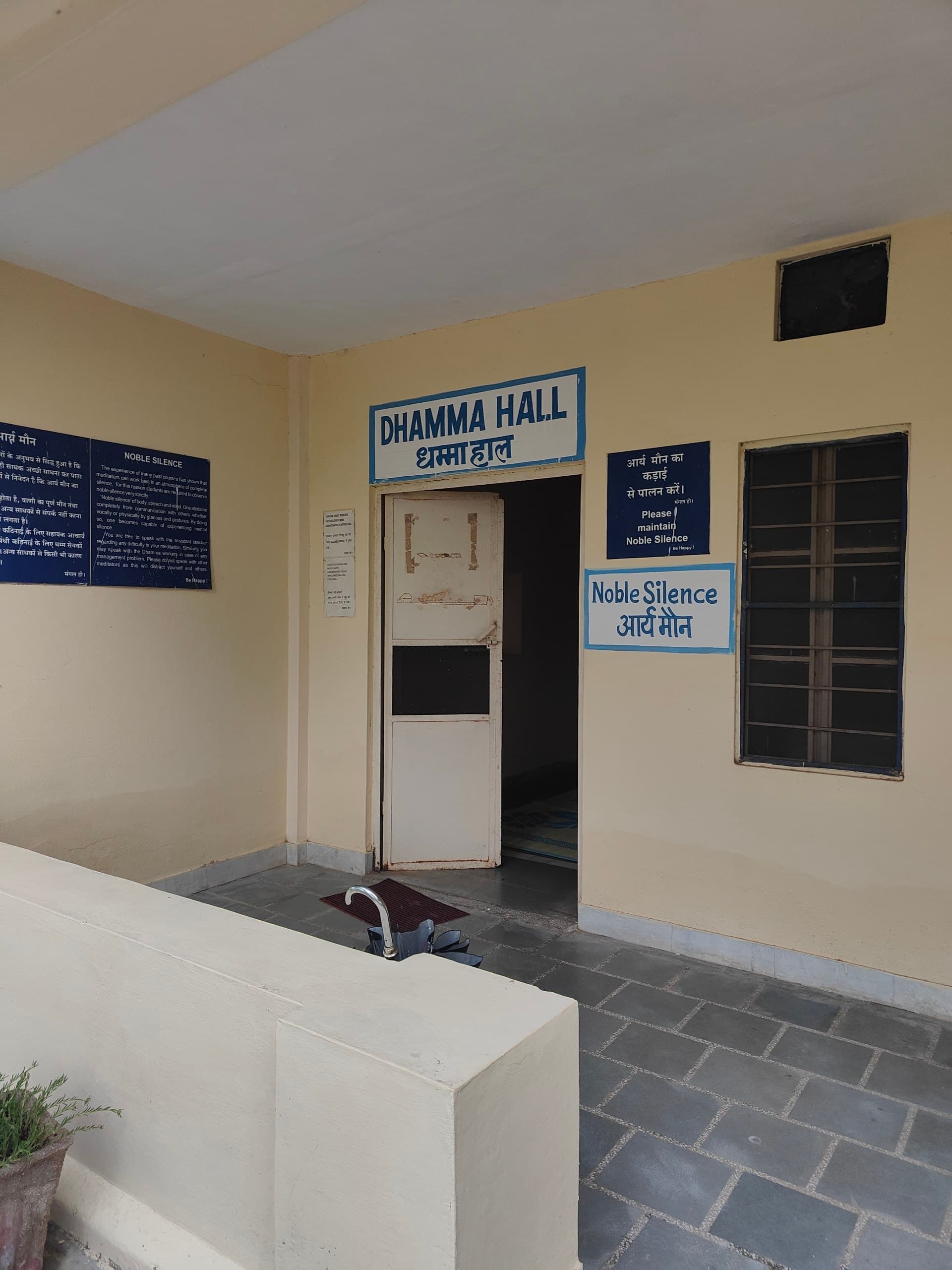
Dhamma Hall
Most of our time was spent in the Dhamma Hall, sitting in the same place and returning to the same practice.
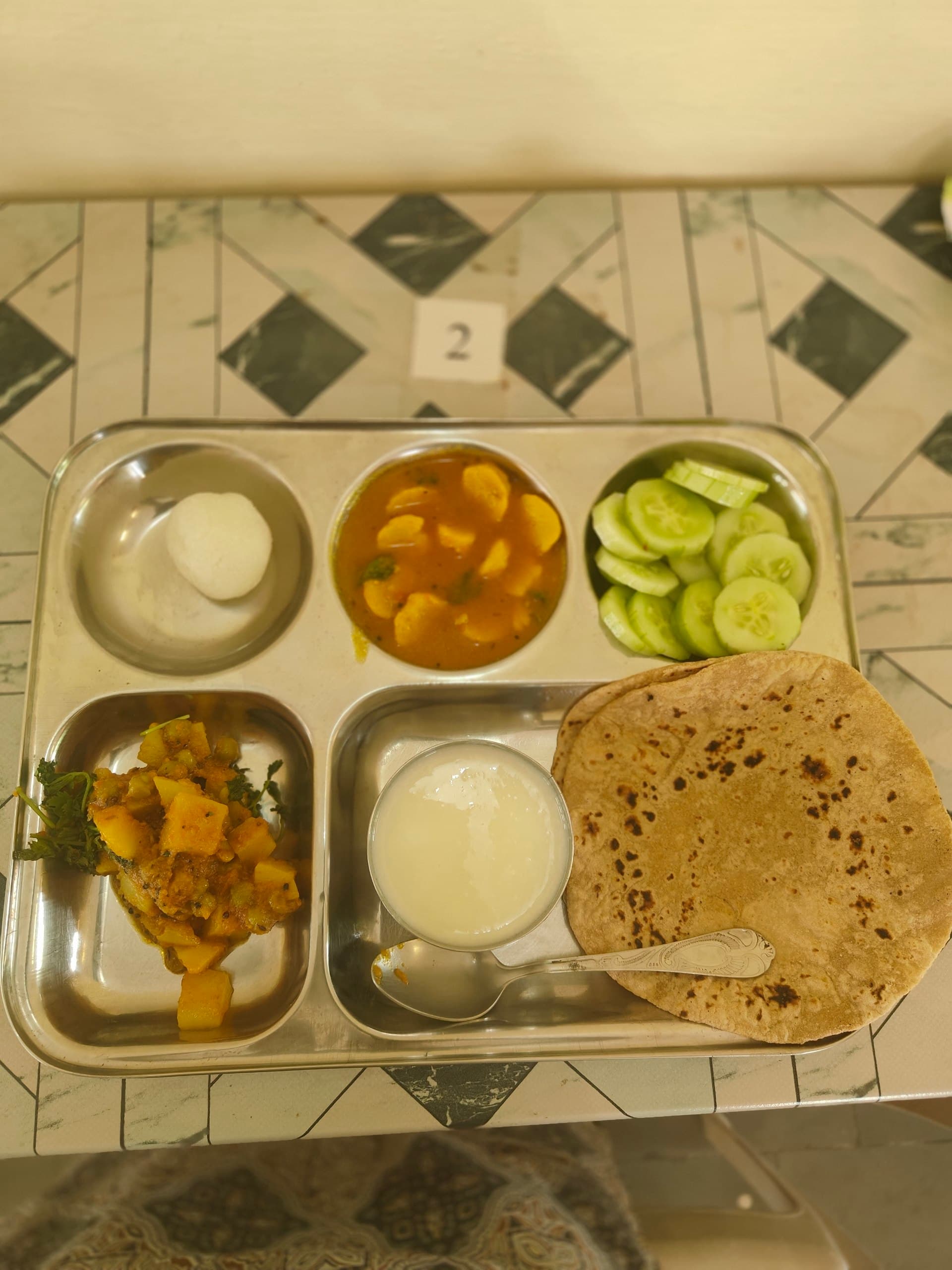
Food
The meals were simple, healthy, and satvik.

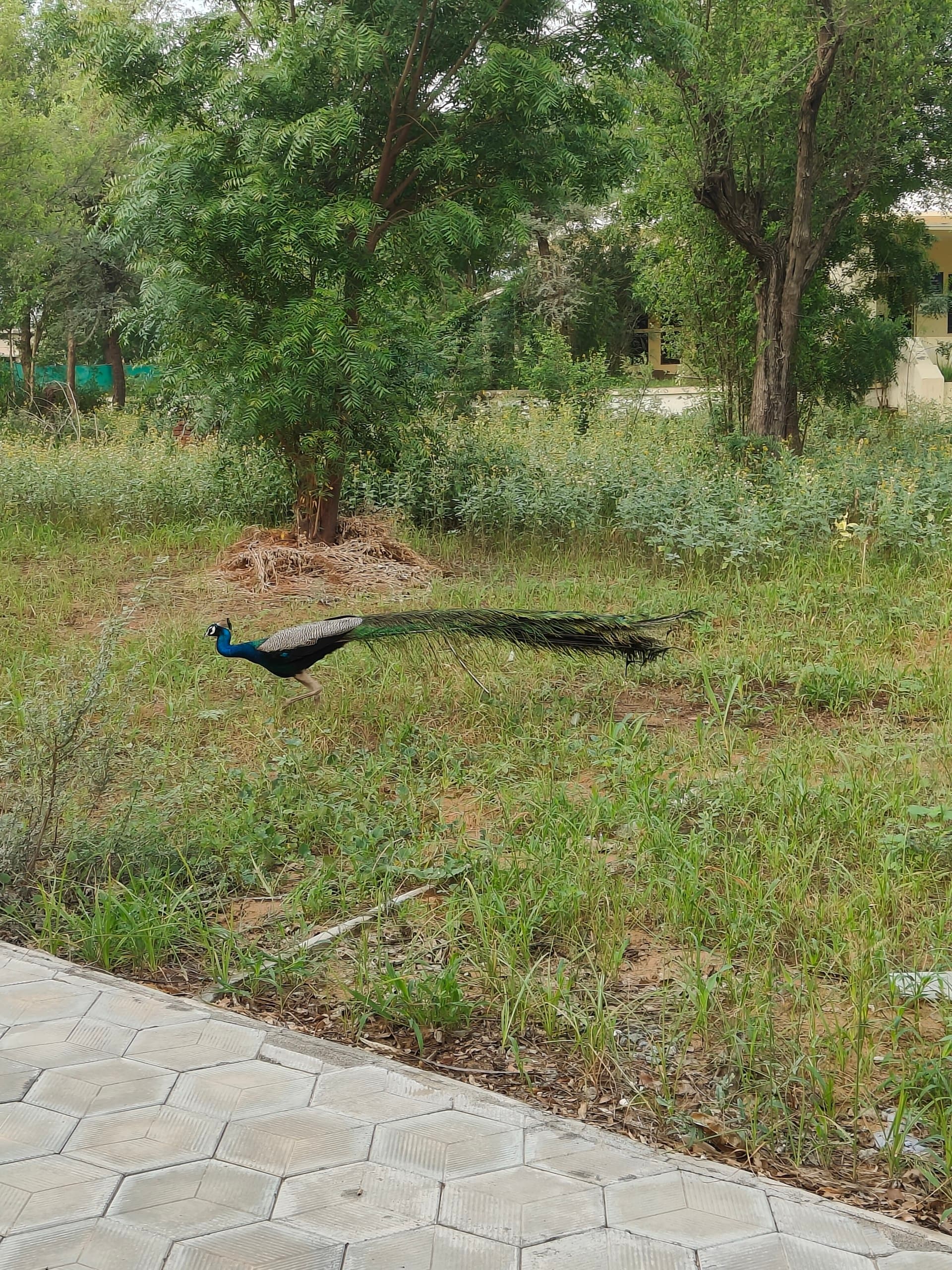
My walking partner
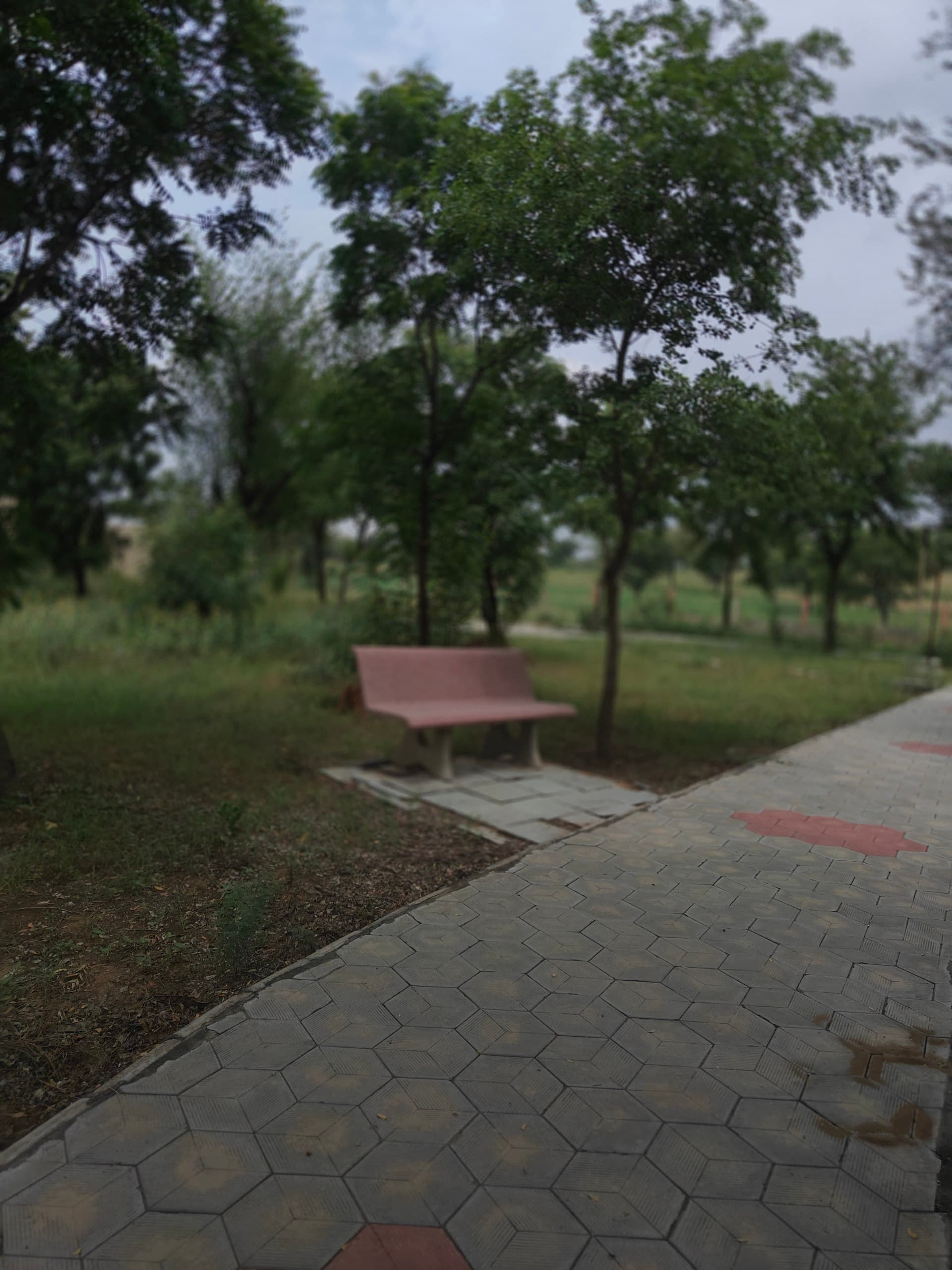
The center was surrounded by nature and village landscapes. During my morning and evening walks, I often saw peacocks. One of them became my favorite walking companion and one of the loveliest parts of each day.
Final thoughts
From my experience, I genuinely feel that everyone should try Vipassana at least once, especially in their early twenties.
Whether you are a student, entrepreneur, developer or working professional, spending ten days away from your phone and everyday distractions gives you a rare chance to observe yourself.
Will it change your life overnight? Probably not.
But it might change how you respond to life, and sometimes that is an even bigger change.