My work at ChainRisk showed me how powerful technical education can be when it gives developers an immediate place to practice.
I joined in Developer Relations, but the role was not limited to tutorials or community announcements. I built a product, managed a developer community, taught workshops, and helped organize a global hackathon.
Every part of the work answered the same question: how do we help someone move from being interested in Web3 to actually building in it?
Building an education bounty portal
I built a blockchain education bounty portal using Polygon, thirdweb, Biconomy, and React.
The portal connected education with action. Developers could learn, complete tasks, and participate in the ecosystem instead of consuming content without a next step.
Building it also kept my DevRel work close to the developer experience. I could see where onboarding felt confusing, which concepts needed better explanation, and where a small product change could remove friction more effectively than another tutorial.
Teaching from HTML to full-stack Web3
Over three months, I conducted more than 20 technical workshops. The audience included developers beginning with HTML as well as people ready to connect a frontend to blockchain infrastructure.
Teaching that range forced me to break complicated systems into smaller mental models. Wallets, transactions, contracts, gas, account abstraction, and frontend integrations make more sense when each concept answers a real problem in the project being built.
My goal was not for people to finish a workshop saying, “That was interesting.” I wanted them to leave with something working and the confidence to change it on their own.
A technical workshop succeeds when the learner no longer needs the instructor beside them.
Managing a community of 5,000+ developers
I managed a community of more than 5,000 developers, helping people onboard into Web3 and participate in bounty programs.
At that scale, repeated questions became product signals. If many developers were stuck at the same step, the answer was not to reply faster forever. We needed clearer documentation, a better example, a workshop, or a change in the onboarding flow.
Community management became a feedback system between developers and the product rather than a support queue at the edge of the company.
Creating Web3 Init
I helped organize the inaugural Web3 Init hackathon and built its website from scratch with Next.js.
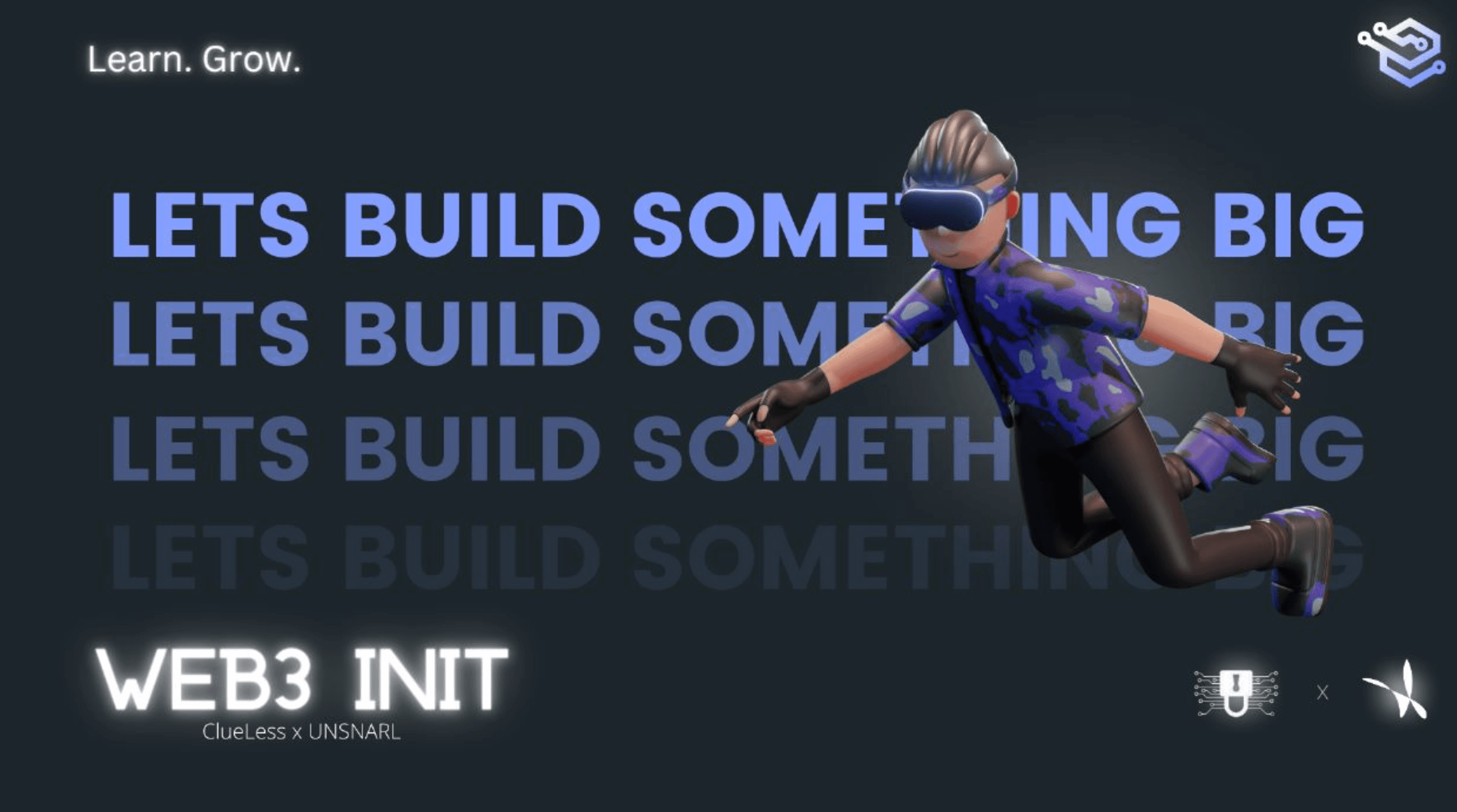
The event brought together roughly 5,000 developers from around the world and resulted in more than 60 projects built across multiple blockchains.
Workshops gave developers the foundation. The hackathon gave them a reason to combine those lessons under a deadline, work with a team, and produce something visible.
What the experience changed for me
ChainRisk helped me understand DevRel as a connected system: education creates confidence, tools reduce friction, community creates support, and events create momentum.
Remove any one of those pieces and developers are more likely to stop before reaching a meaningful result.
The role also made me a better teacher. I learned to explain the reason before the implementation, build examples around real outcomes, and treat confusion as feedback on the material rather than a failure by the learner.