My work with QuillAudits, QuillAI Network, and WachAI taught me that Developer Relations cannot be reduced to posting content or appearing at conferences.
In a security-focused Web3 ecosystem, trust has to appear in the product, the education, the partnerships, and every conversation with the community.
My role moved through all of those layers. Some days I was building an internal tool. On others I was onboarding creators, closing a partnership, preparing a technical post, speaking at an event, or helping someone understand safer on-chain behavior.
Building products for the community
One of the most useful parts of the role was being able to build, rather than only talk about what the product could do.
I shipped community-facing products for WachAI and internal tools such as a Discord XP-reward bot and admin-controlled incentive systems. These tools helped automate rewards that would otherwise require repetitive manual work.
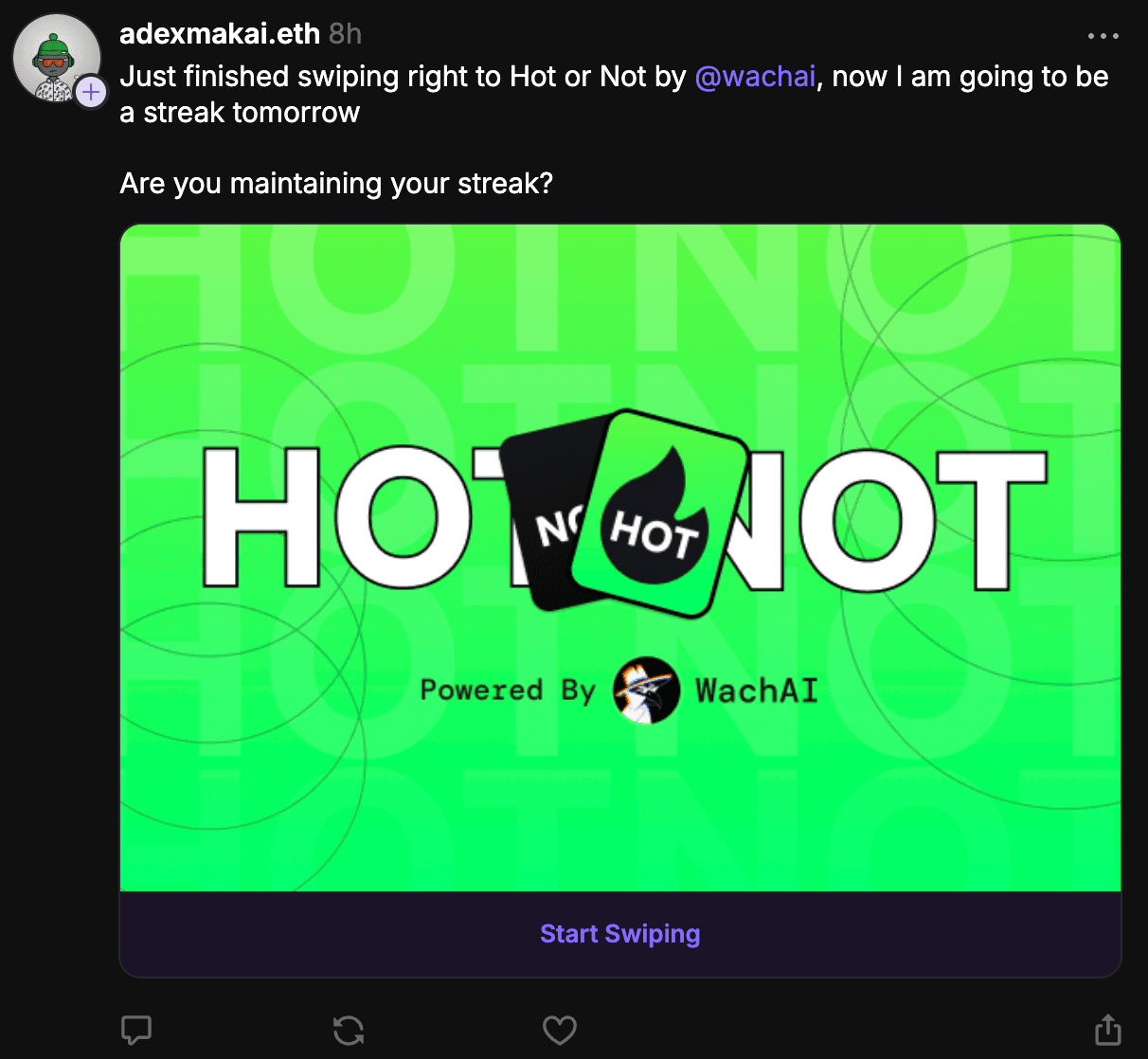
Building them changed the way I thought about community operations. If a program depends on spreadsheets, memory, and one person being online every day, it will struggle to scale. Good internal tooling is part of a good community experience.
Turning security into understandable education
Web3 security can quickly become technical and intimidating. My job was to help people understand why it mattered before asking them to care about a product.
I helped onboard and educate more than 5,000 community members in the WachAI ecosystem, creating awareness around Web3 security and safer on-chain behavior.
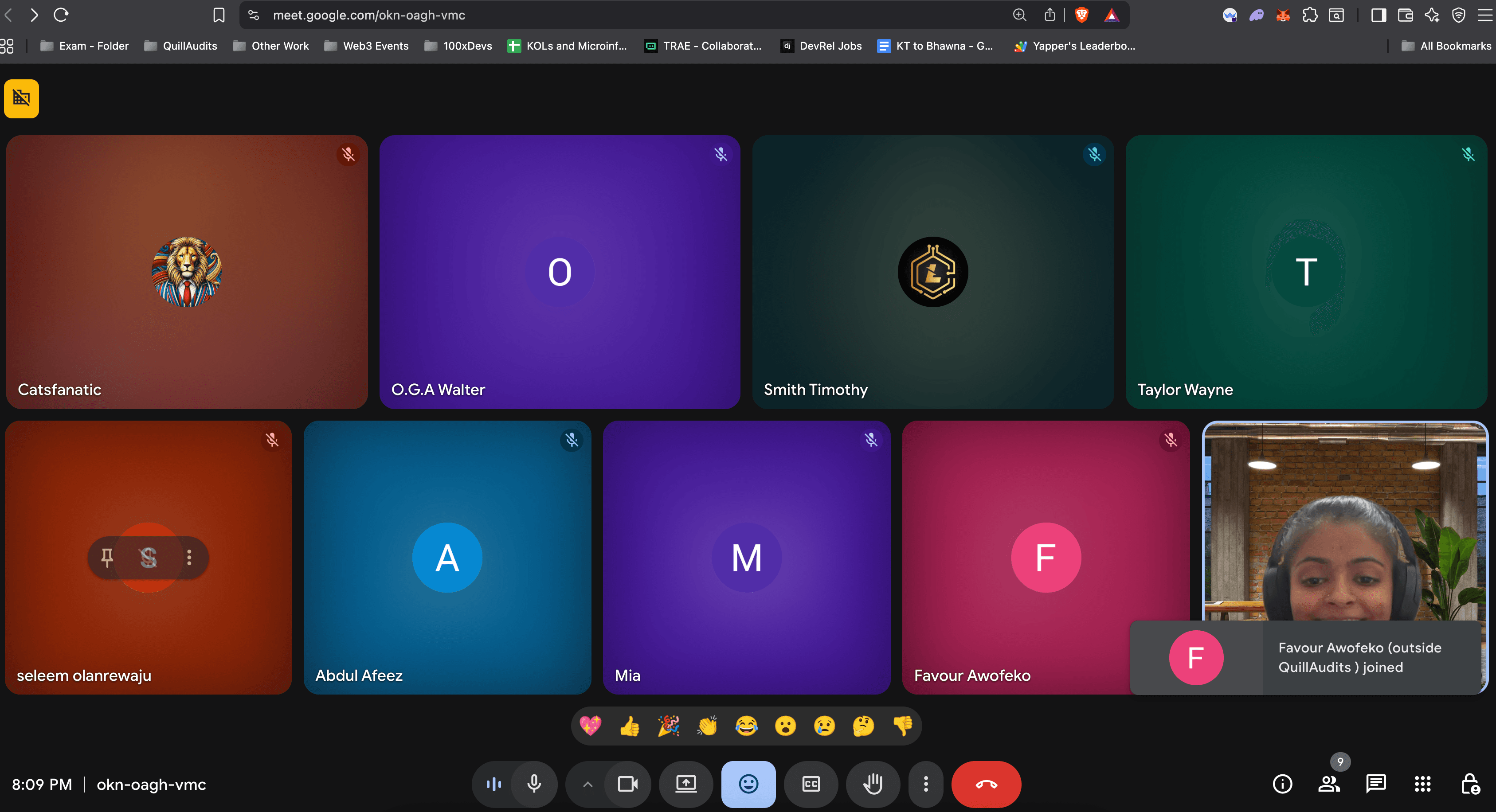
The strongest educational content did not begin with product features. It began with a real risk, a familiar situation, or a question someone was already asking. The product became meaningful only after the problem was clear.
Partnerships from zero to execution
I led ecosystem partnerships for QuillAI from the first conversation through execution, closing more than 10 collaborations with teams including OzakAI, KRNL Labs, and other AI and agent-first projects.
I learned that announcing a partnership is the easy part. A useful collaboration needs a shared audience, a clear activity, ownership on both sides, and an outcome that can be measured after the announcement disappears from the timeline.
A partnership is not a logo exchange. It is a promise to create value together.
Running creator and social programs at scale
I managed the Yappers Program, onboarding more than 10,000 creators producing regular content around the WACH ecosystem.
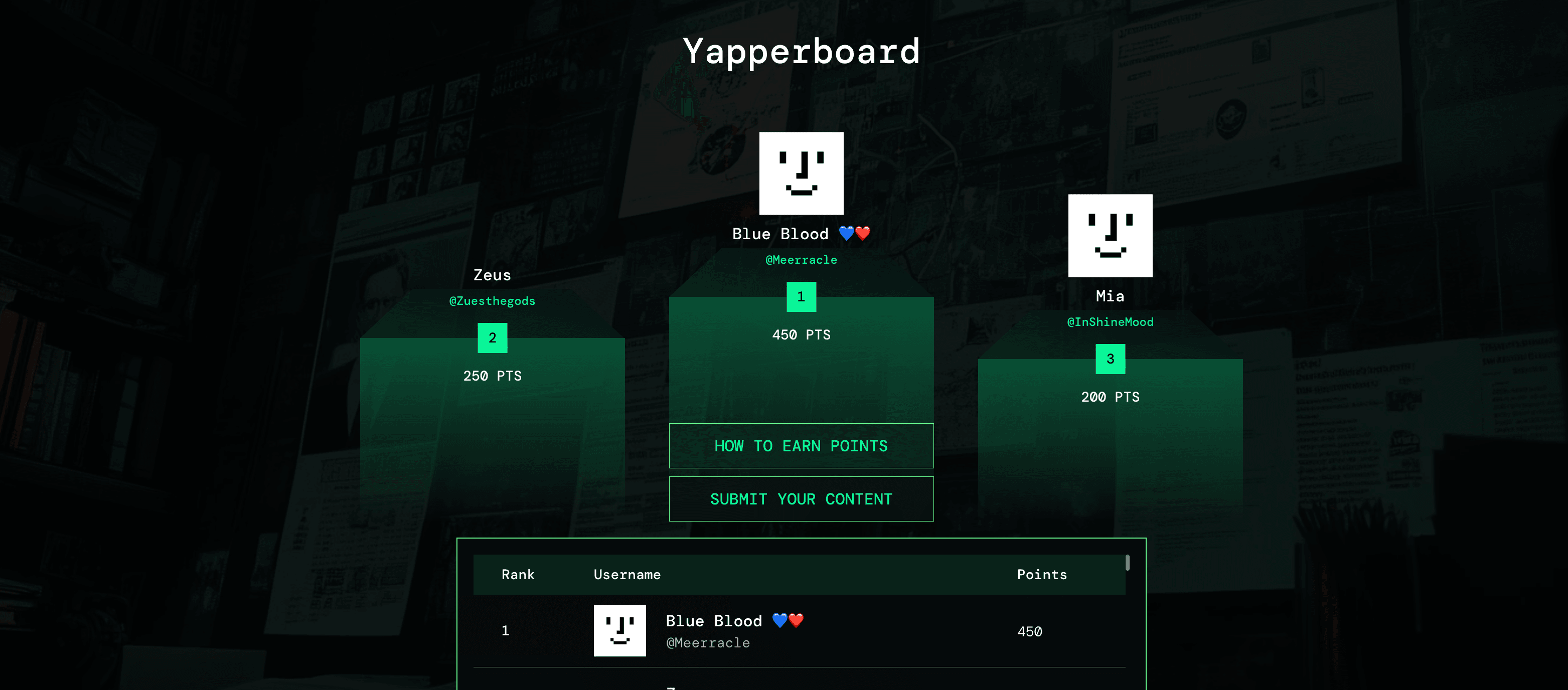
I also managed the social presence for QuillAI Network and WachAI across X, Telegram, and Discord. The work ranged from technical deep-dives to fast growth campaigns designed for the language of each platform.
This taught me to separate noise from distribution. Posting more is not automatically a strategy. The content must help a specific audience understand, trust, try, or share something.
Representing the company outside the screen
I represented QuillAI Network as a speaker at Web3 and AI conferences, delivering talks about AI agents, security, and the Quill/WachAI product stack.
I also represented the company at ecosystem events including Solana Summit and WebX Asia. Those conversations helped us network, pitch, find partners, and generate leads in a way that online outreach alone could not.
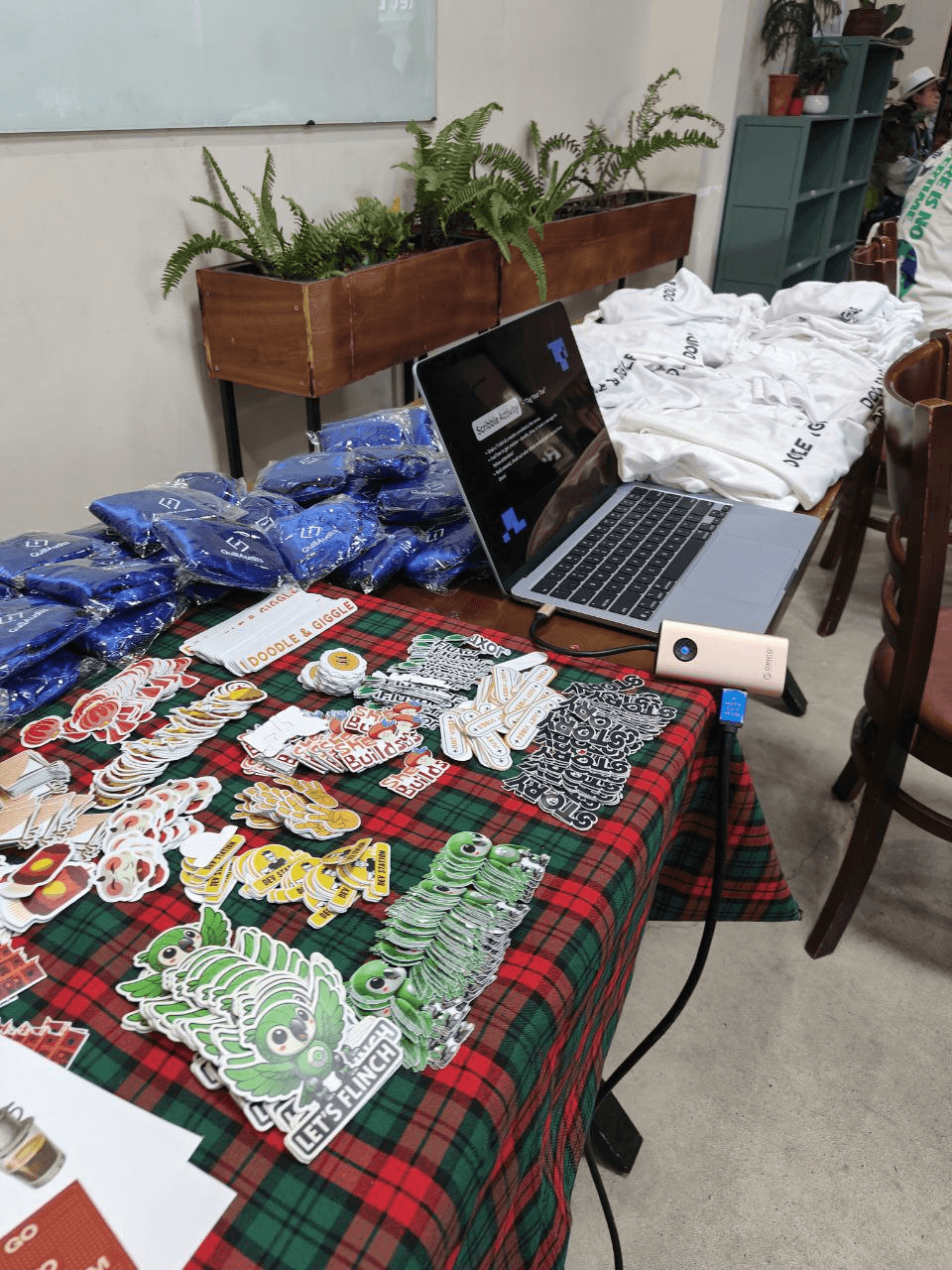
Across products, programs, campaigns, and events, the lesson remained the same: DevRel works when community insight travels back into the company, and product understanding travels clearly back to the community.